Capturing the journey of Bhutan's first female filmmaker as she carries her unwritten tales from the Himalayan peaks to the ocean's edge, chasing the narratives no one else is telling.
Congratulations and best wishes for Kushuthara - Karma Deki's very brave and creative endeavor and creation. The cinema world in Bhutan seems to have just a small handful of people who try to go beyond the mediocre and commercial mainstream. Kushuthara depicts two of the most difficult subjects in Buddhist philosophy - karma & reincarnation.— Dzongsar Jamyang Khyentse
In the heart of the Himalayas, where mountains stand like ancient guardians and prayer flags carry whispered hopes into the sky, there is a kingdom called Bhutan — a land deeply rooted in tradition, yet gently stepping toward modernity. This is where Karma Deki's story begins.
City of Dreams: Mountains to Oceans follows her extraordinary path from a young school girl cast in a Bhutanese docu-film, through an arranged marriage that pulled her from school, to the post office counters of Thimphu, across the ocean to New York City, and into the director's chair — where she became Bhutan's first female filmmaker.
This is not just a film about cinema. It is about resilience — about being overlooked but not erased, about a woman who refused to disappear quietly, and who believes in the transformative power of storytelling.
Cast in her first docu-film at age ten, playing a Dakini — a divine guardian walking between worlds of karma, heaven, and hell.
From New York Film Academy graduate to award-winning director of Kushuthara and Dangphu — she built Bhutanese cinema from nothing.
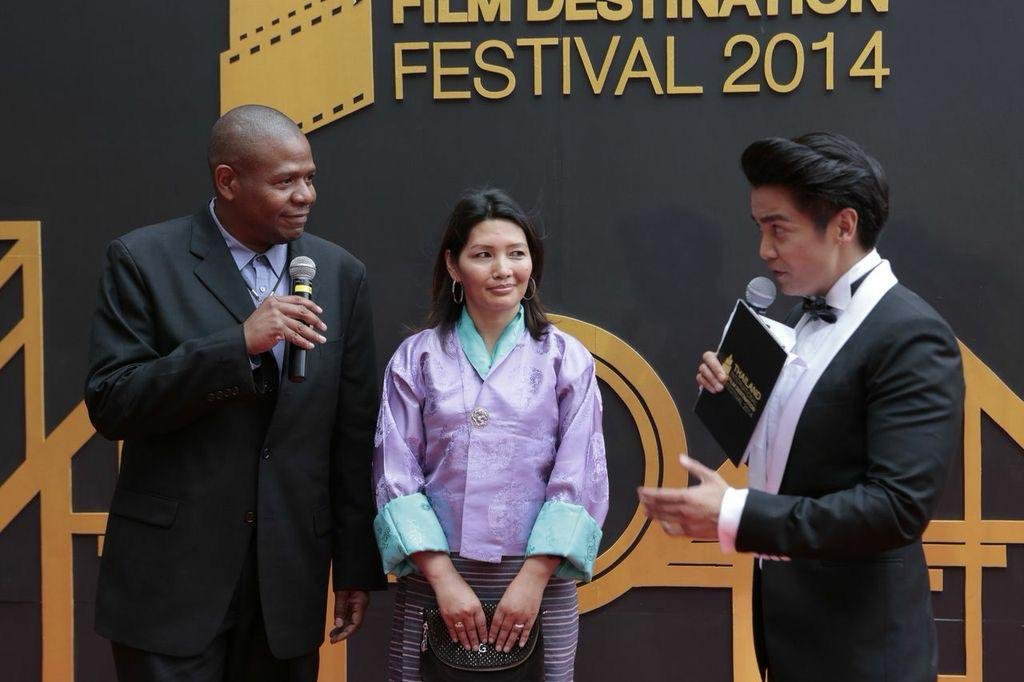
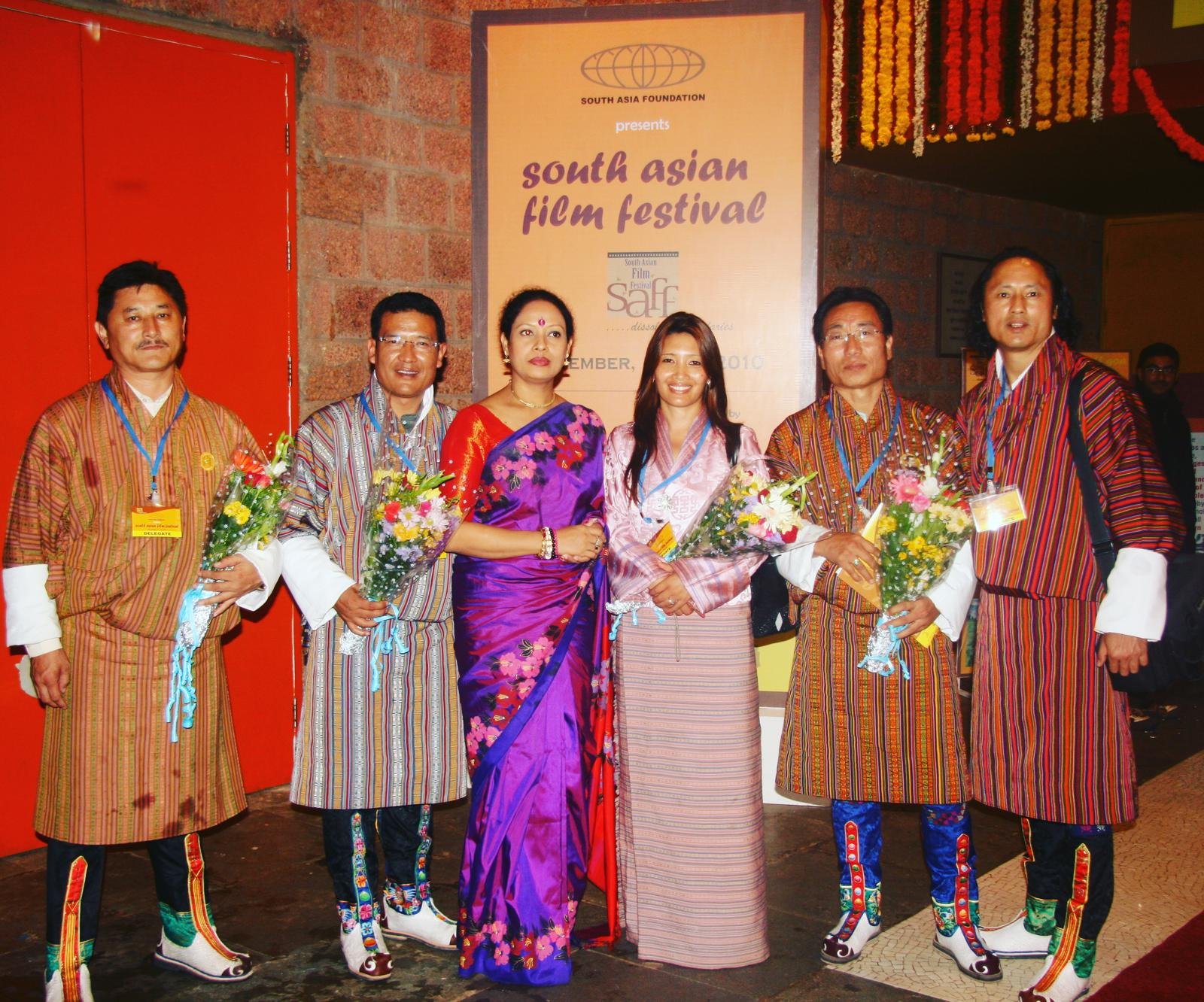
Introduced to a full-house audience in India as Bhutan's first female filmmaker — an immigrant, a mother, a survivor who refused to be erased.
Actress. Director. Editor. Mother. Immigrant. The woman who built Bhutanese cinema from the ground up — shift by shift, dollar by dollar, frame by frame.
As a young schoolgirl, Karma was cast in the docu-film Delok Karma Wangzin, playing a Dakini — a divine guardian guiding a queen through the realms of karma, heaven, and hell. Cinema became a mirror of spirituality. She was already walking between worlds.
An arranged marriage pulled her from school. She became a mother young, then earned a position at the General Post Office in Thimphu. For seven years she stood behind that counter — but inside, something restless was growing. She starred in Bhutan's first music video and her first feature film, balancing motherhood, marriage, and a full-time job.
Karma left Bhutan and arrived in New York City like many immigrants, searching for opportunity. By day she worked as a cashier. By night she studied English at Hunter College. She took the TOEFL, applied to the New York Film Academy, was accepted, and paid her own tuition — shift by shift, dollar by dollar. Seven years later, she graduated with diplomas in Filmmaking and Editing.
Returning to Bhutan, she directed Dangphu — winning Best Debut Director, Best Editor, and Best Cultural Film. She wrote, directed, and edited the award-sweeping Kushuthara. She led a nationwide Talent Hunt, produced fifty episodes of television series and short films, and was recognized as an International Jury Member alongside filmmakers from 112 countries.
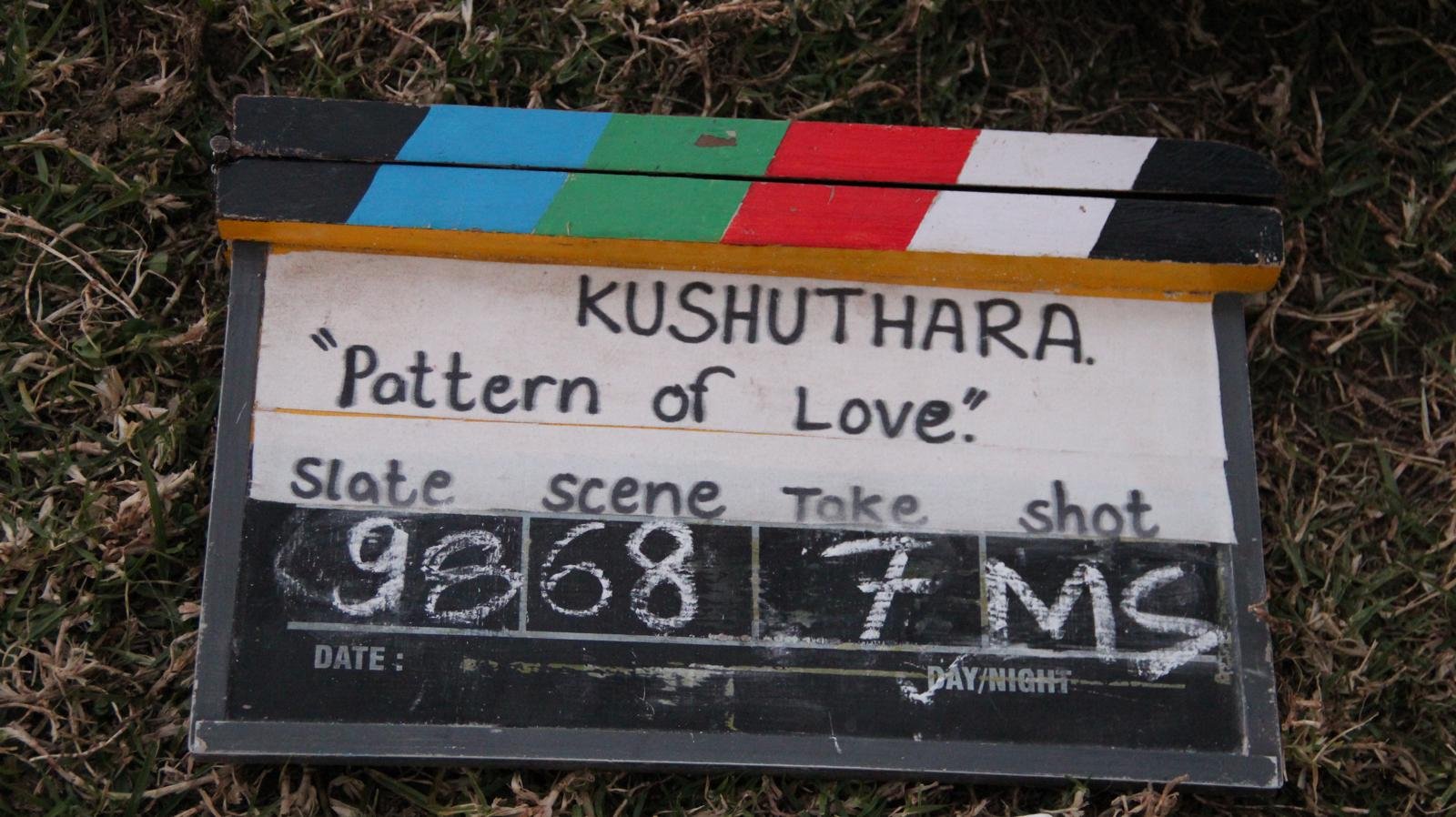
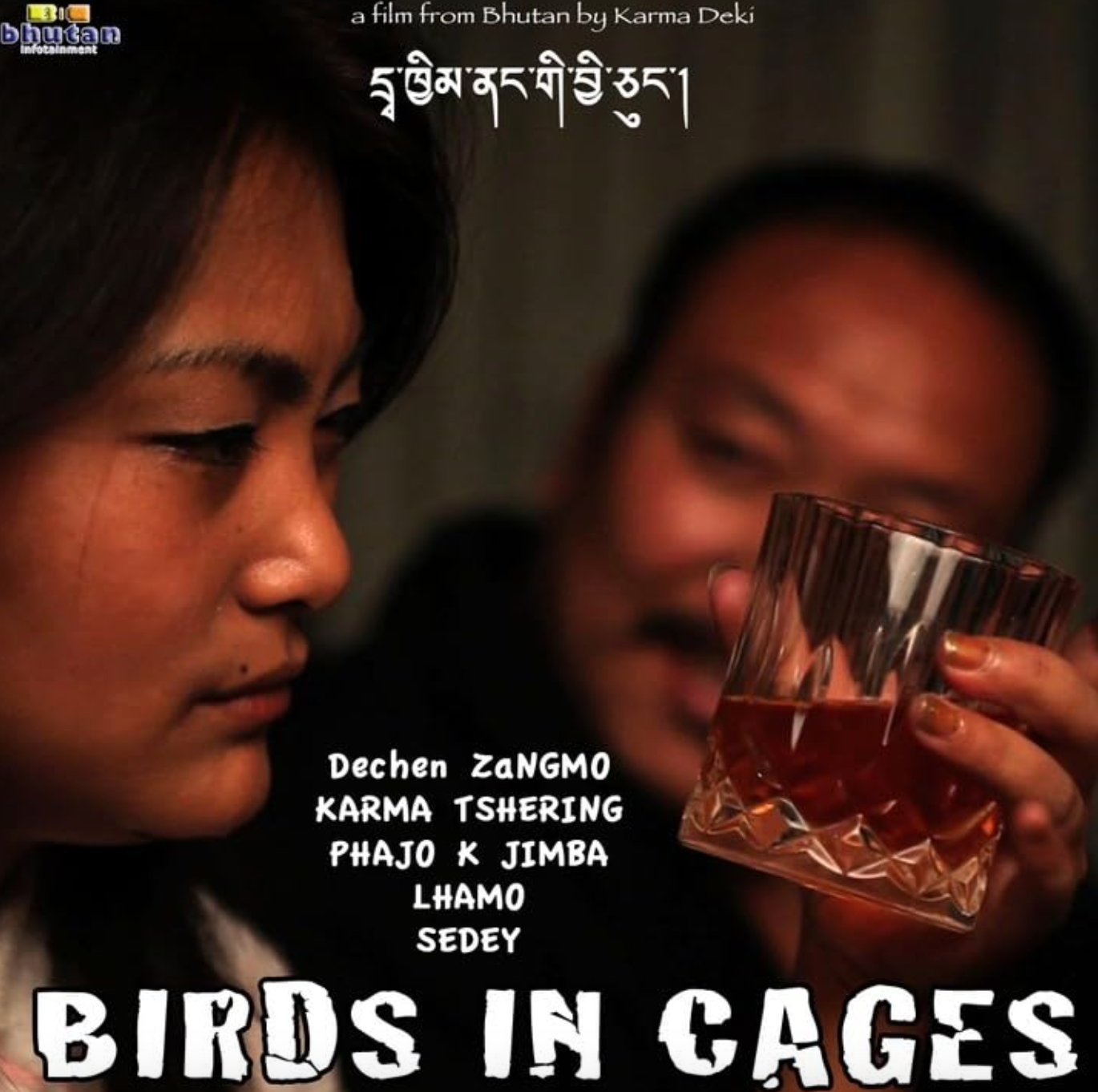
These were years of relentless creation. Karma wrote, directed, and edited the feature Four Friends, and spearheaded national television with the series My Life My Dream and Journey of my Life. Her storytelling began transcending borders. Kushuthara: Pattern of Love consumed her focus from pre-production to its triumphant Bhutan premiere, ultimately winning Best International Narrative Feature Film at the Laughlin International Film Festival. Concurrently, her poignant project Birds in Cages took home the Best Short Film award at the Fiji International Film Festival. The world was finally watching.
Having established her cinematic voice on the global stage, Karma’s focus expanded to elevating the next generation of storytellers. In 2023, 2024, and 2025, she served on the selection committee for the 1497 Features Lab, dedicating her sharp editorial eye to championing filmmakers of South Asian descent. Now, after decades of bringing other worlds to life, the lens turns inward. The storyteller becomes the subject as she documents her own extraordinary, resilient path as Bhutan's first female filmmaker.
Every frame of Karma's films was earned — not given. From an arranged marriage to stolen credits, these are the barriers she turned into stepping stones.
Pulled from school by an arranged marriage in 1990, Karma was only an eighth-grade graduate when she qualified for the Royal Civil Service Commission. Becoming a mother young could have been the end of her story — instead, it became her ignition.
Working full-time as a cashier in New York, she studied filmmaking at the New York Film Academy and paid her own tuition — shift by shift, dollar by dollar. Seven years later, she graduated with diplomas in Filmmaking and Editing.
Her co-directing credit on Dangphu vanished when she completed the film alone. She was told she would receive Best Director for Kushuthara — but her name was never announced. Recognition, again and again, slipped through her fingers.
Some frames are cut. Some are rewritten. Some are taken without your name attached. But stories have a way of surviving. And this time — I am holding the camera.— Karma Deki
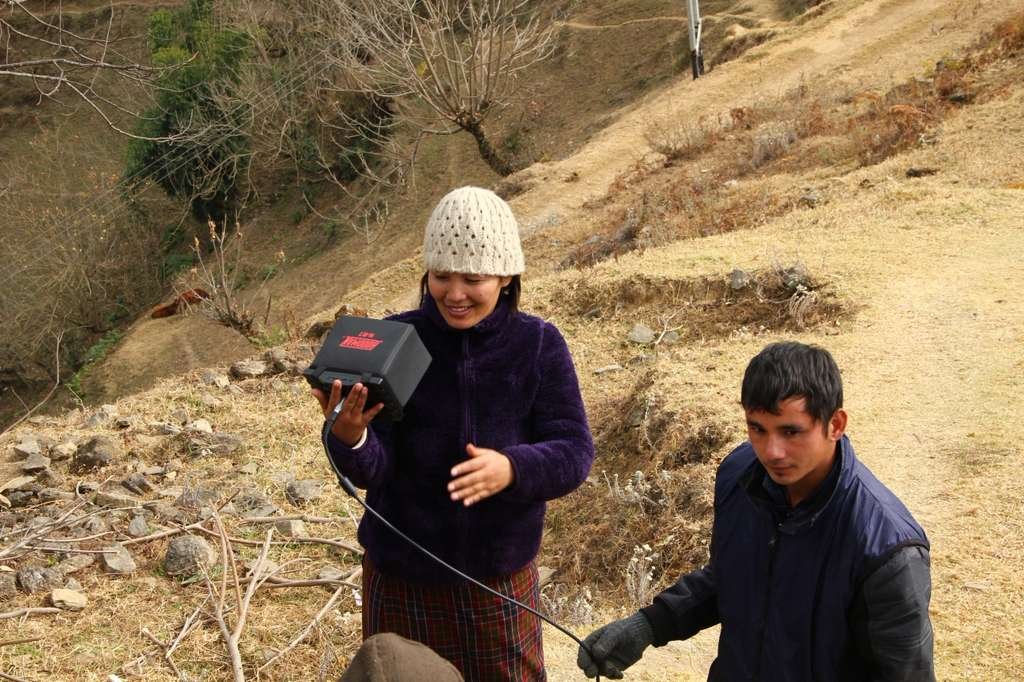
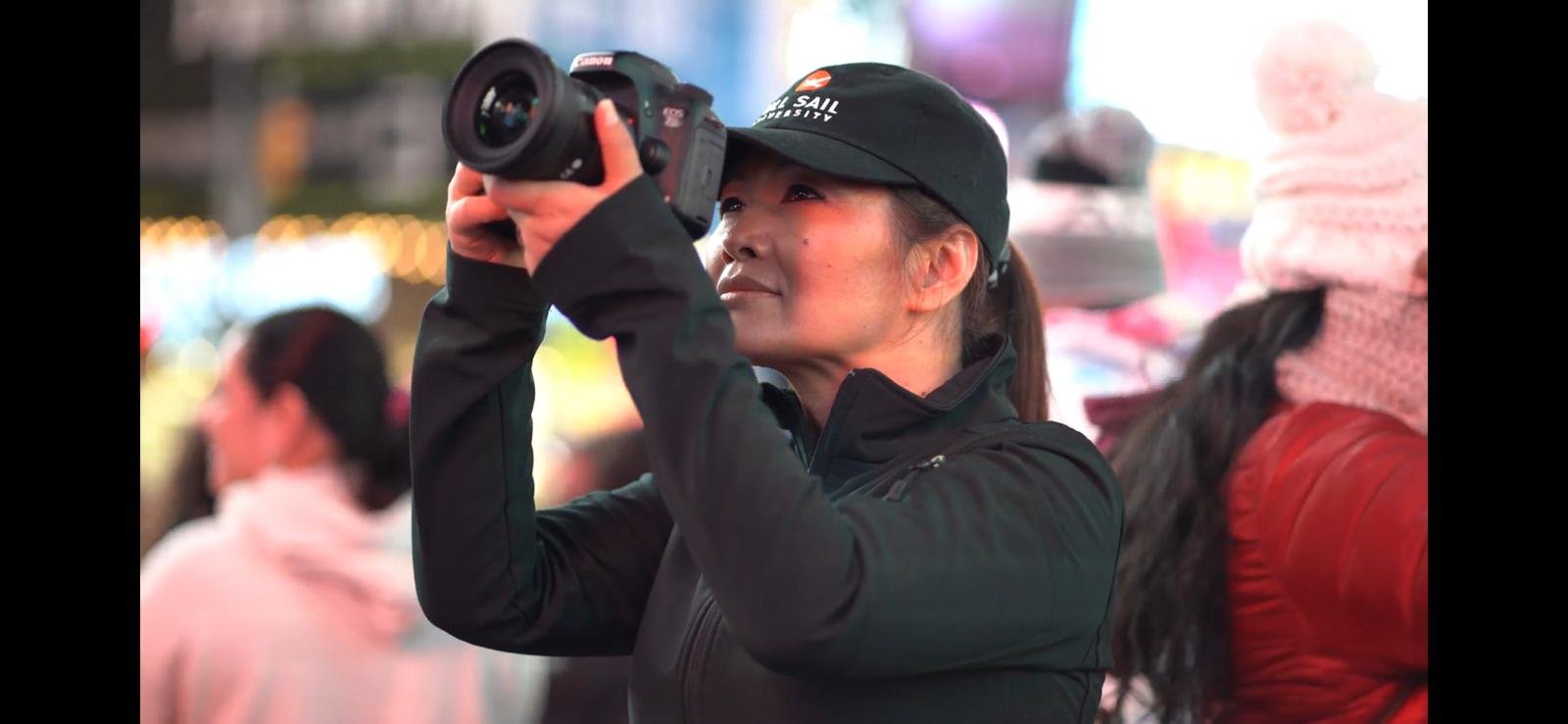
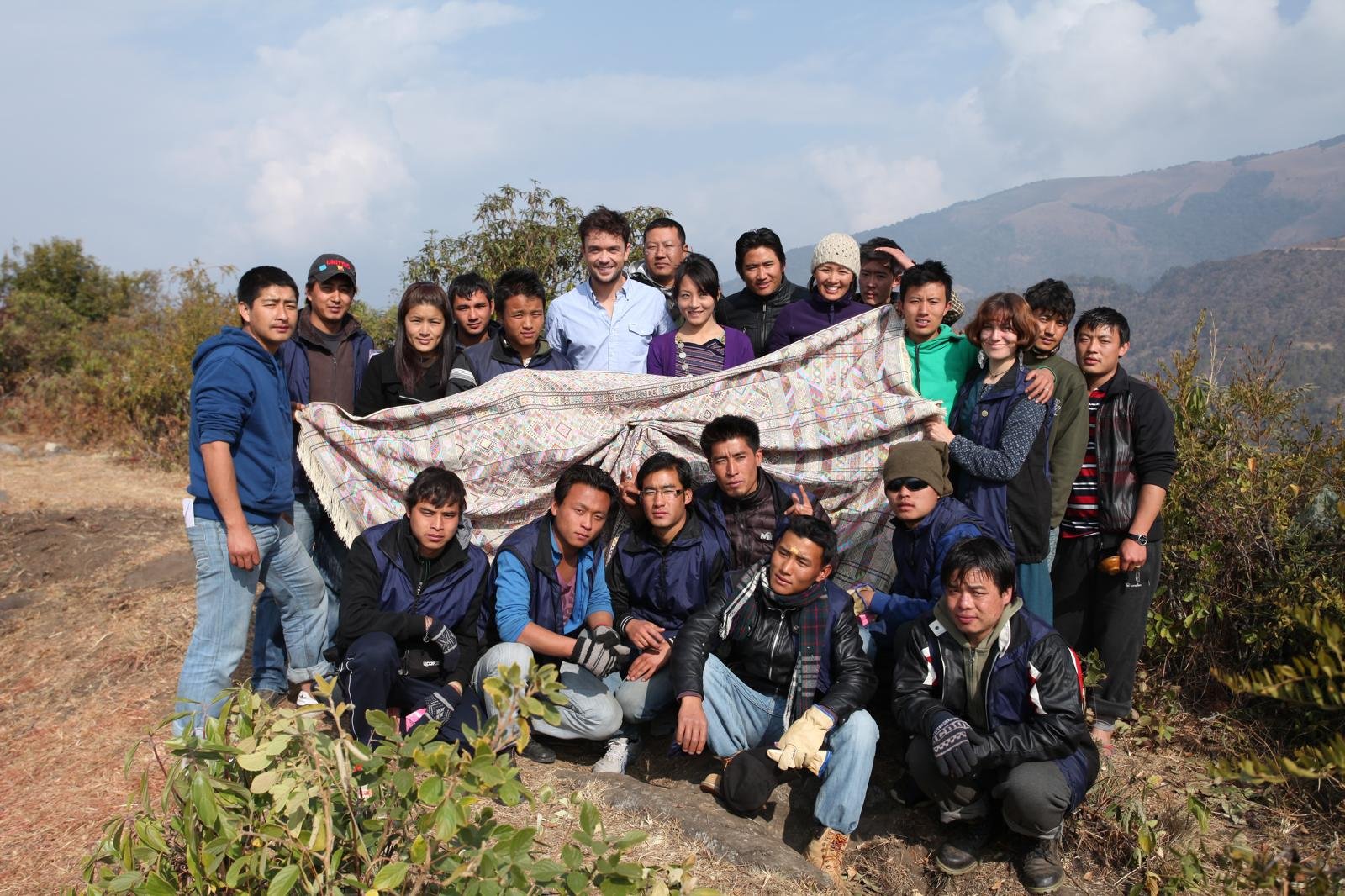
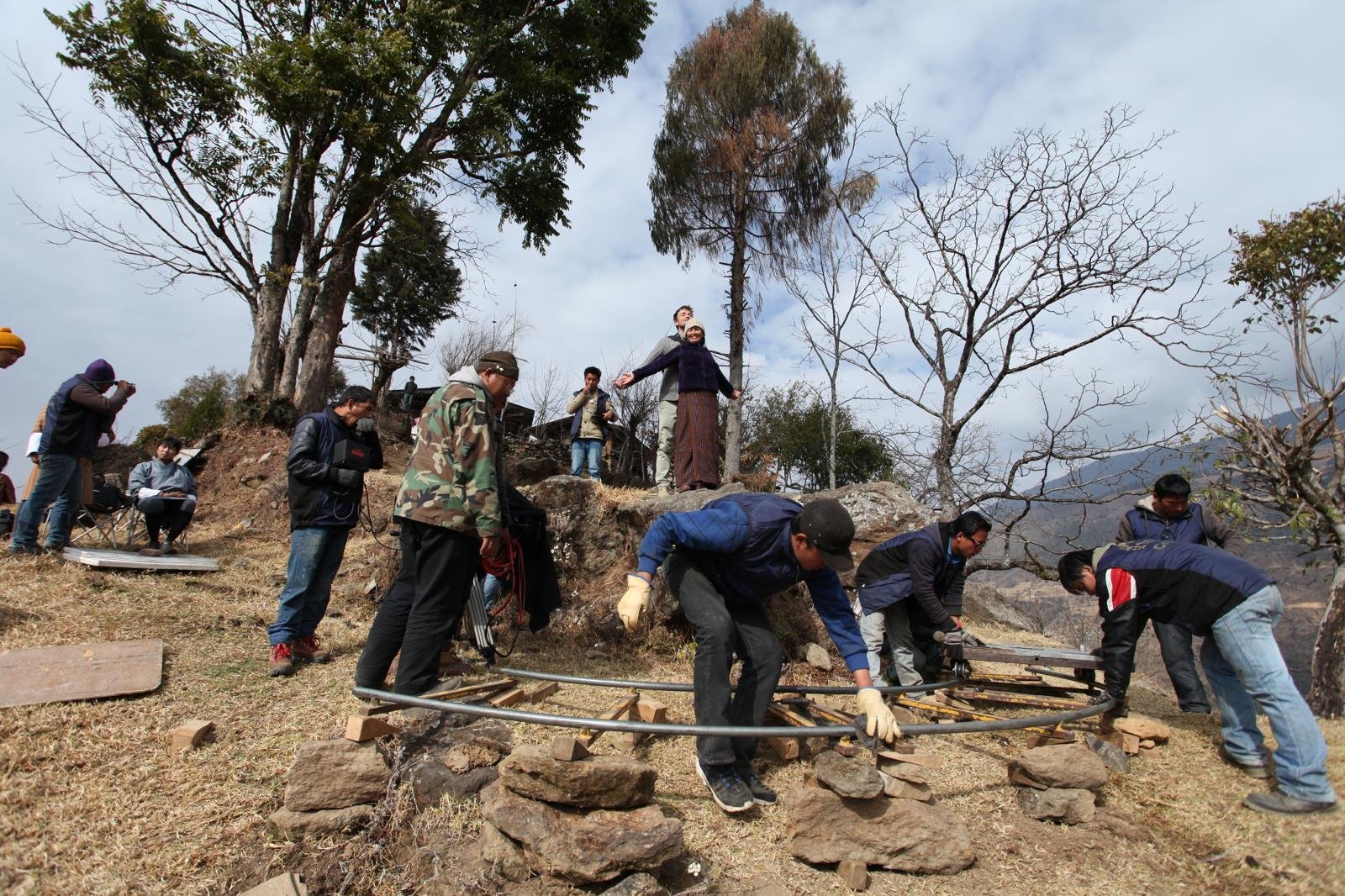
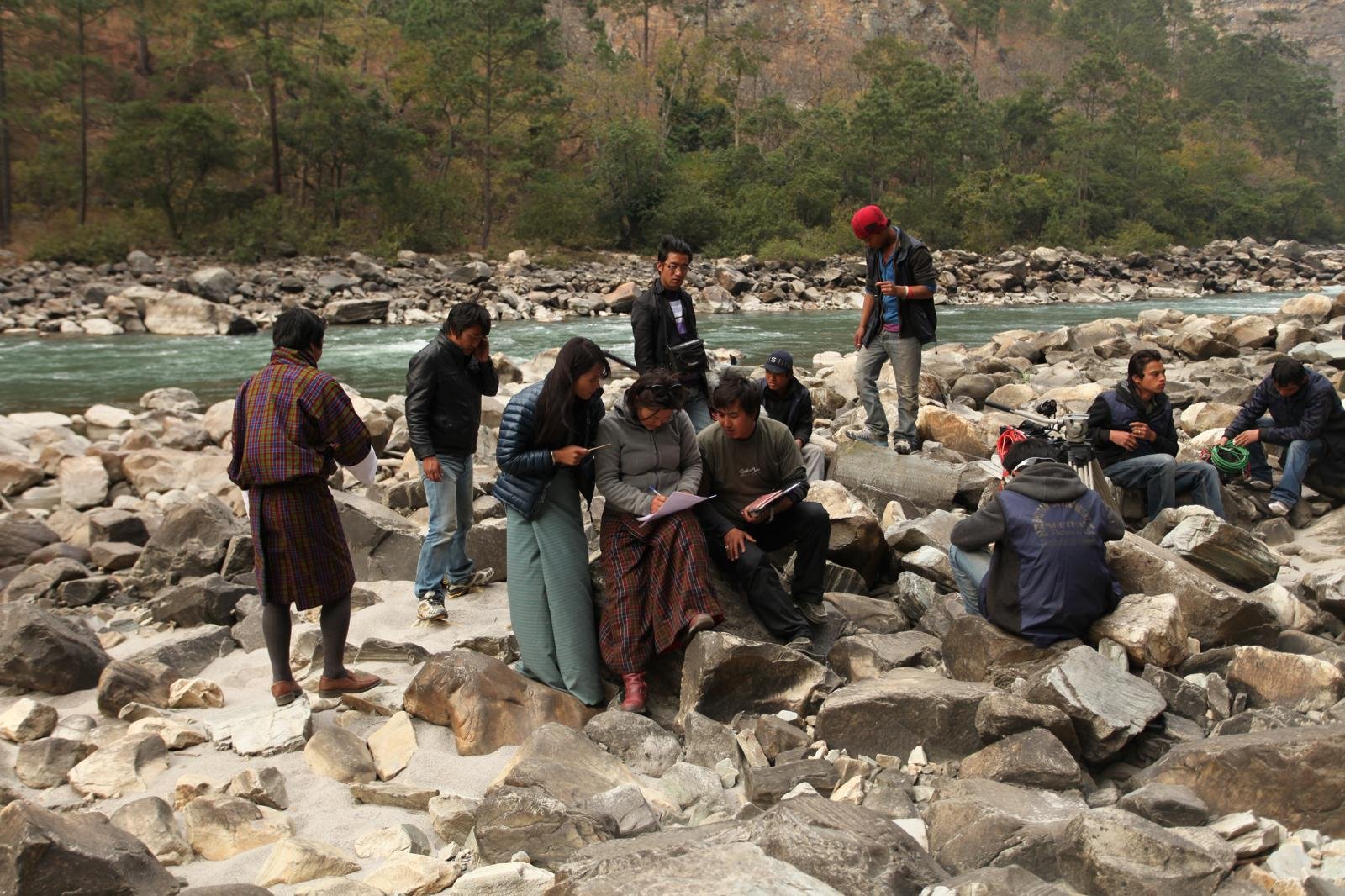
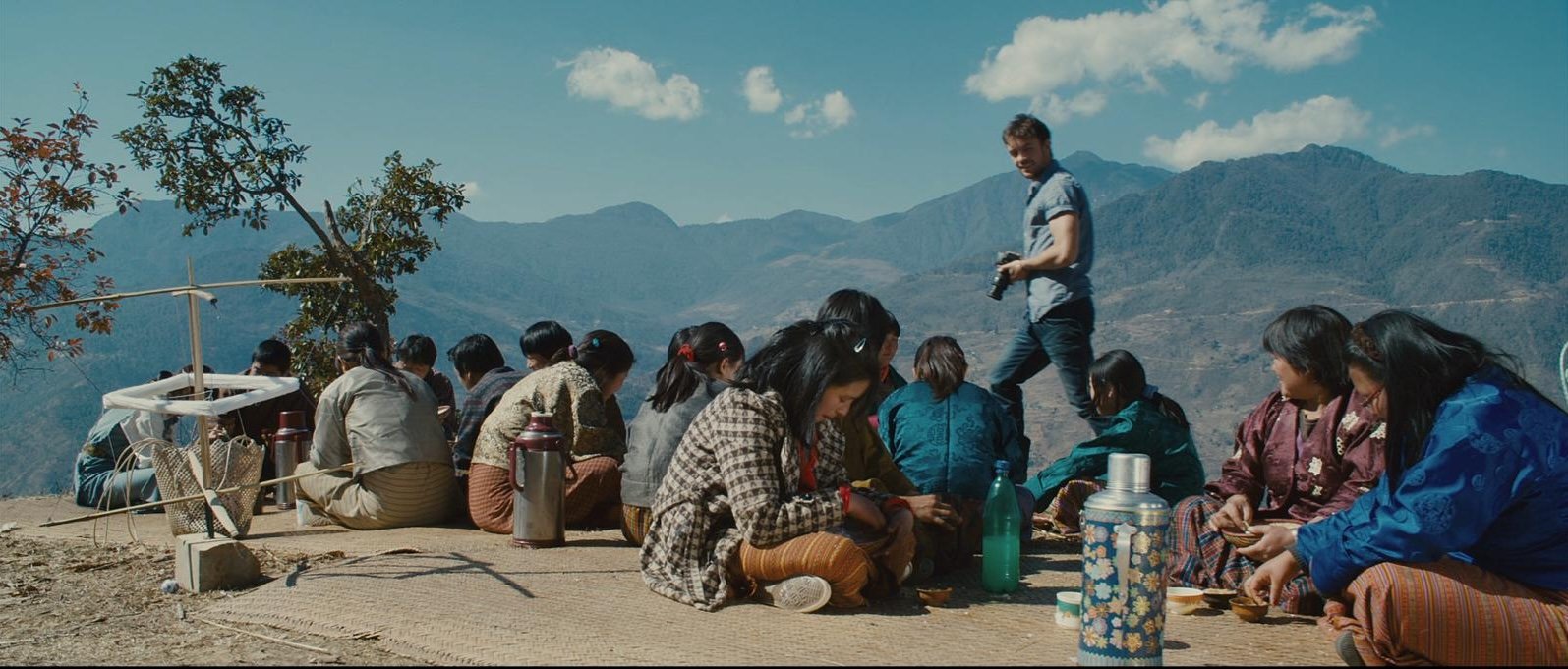
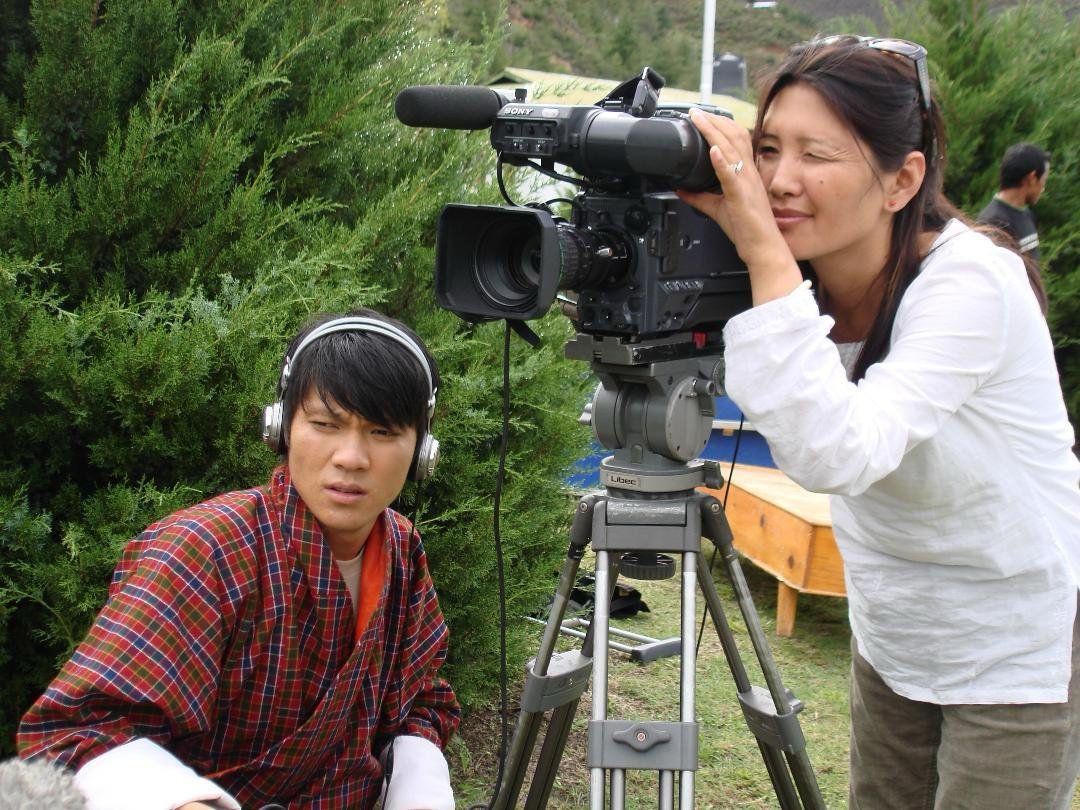
From mountain film sets to international festival stages — moments from Karma Deki's extraordinary journey.
"I believe in the transformative power of storytelling."
— Karma Deki"Becoming a mother so young could have been the end of my story. Instead, it became my ignition."
— Karma Deki"Walk like a queen. Wear your crown of success."
— Barbara, Co-Producer"Success brings applause. But it also brings silence. And sometimes... erasure."
— Karma Deki